RE-CREATEThe Workshop
Before a child can read a balance sheet, they sit at a kitchen table and learn the foundational rule of the modern economy:
"Accumulate until everyone else has nothing. The last person standing takes all."
RE-CREATE: The Workshop is a structured, facilitated experience that uses game mechanics to surface, examine, and replace the extraction mindset — installed before most participants had the language to question it.
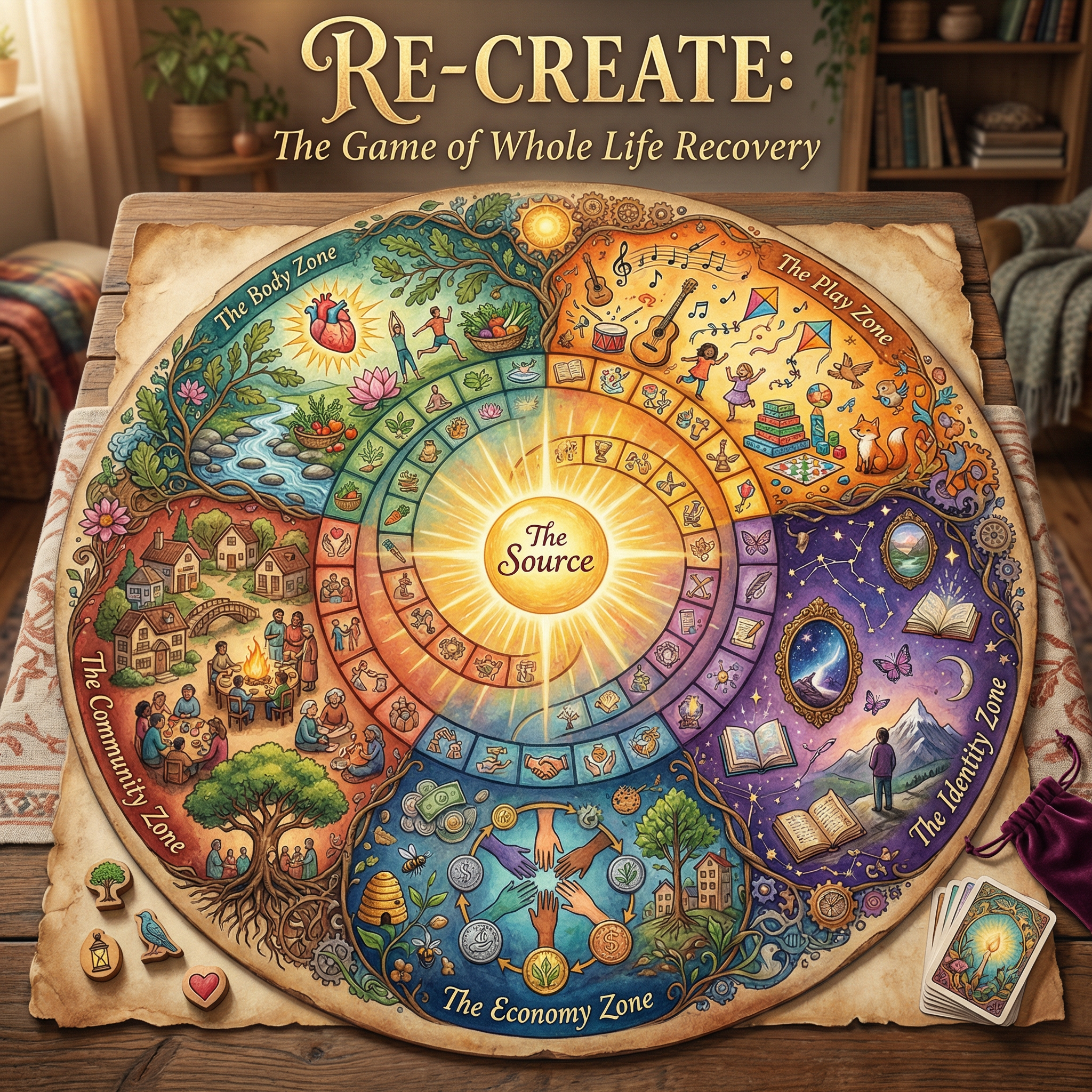
Half or full day
The Old Way of Re-Creation Produced the Exact Opposite
The extraction economy did not just take our money and our time. It took our bodies, our identities, our joy, our communities, and our sense of what is possible. It installed five forms of Epigenetic Noise — and called them normal.
Surface → Name → Play → Integrate
The workshop follows the same arc as the game itself: surface the noise, name the system, play the alternative, and integrate the shift into real commitments.
Surface the Noise
45 minBring the extraction mindset into conscious awareness. Participants trace the Five Rules of the Old Game — scarcity, competition, accumulation, elimination, and fear — through their own professional histories before the game begins.
Name the System
30 minGive participants a shared vocabulary for what they are about to experience. The FIDUROD framework and the Educare-to-Educere shift are introduced so participants can observe the system operating in real time during play.
Play the Alternative
90–120 minExperience the Prosperity Rules in the body — not as a concept, but as a lived event. A Table Guide at each table names what is happening as it happens: moments of cooperation, Community Action bonuses, Noise Card resonance, and the competitive breakthrough.
Integrate the Shift
45–60 minConsolidate the somatic, relational, and intellectual shifts into commitments that survive the workshop. The four-round debrief moves from description to reflection to interpretation to commitment. The Fear Card Ceremony witnesses what was named. The Closing Circle plants the Prosperity Rules in each participant.
Three Shifts in One Session
A successful RE-CREATE workshop produces three observable, measurable shifts — cognitive, somatic, and relational.
Cognitive Shift
Participants can articulate the difference between the Monopolist Rules and the Prosperity Rules, and name specific contexts where each operates in their lives.
Somatic Shift
Participants report a felt sense of difference — a moment during the game when cooperation felt genuinely better than competition in their bodies, not just intellectually.
Relational Shift
Participants leave with at least one new relationship or deepened connection formed through the cooperative mechanics of the game.
The Prosperity Rules Were Always There
In 1903, Elizabeth Magie designed The Landlord's Game with two complete rule sets. The Prosperity Rules were forgotten. The Monopolist Rules became Monopoly. That erasure is the workshop's origin story.
❌ The Monopolist Rules
(What we inherited. What most of us still play.)
- → Scarcity is the natural state
- → Competition is the only rational response
- → Other people's losses are your gains
- → Win by accumulating until others have nothing
- → The last person standing takes all
✓ The Prosperity Rules
(What was erased. What RE-CREATE restores.)
- → Abundance is possible when resources are shared
- → Cooperation accelerates everyone's restoration
- → Helping others reach their score helps you reach yours
- → Community Actions unlock Global Bonuses for all
- → Everyone wins when everyone reaches Re-Creation
Where This Workshop Belongs
The curriculum adapts to five distinct facilitation contexts. The game does most of the work — the facilitator holds the space.
Teacher Professional Development
Use the FIDUROD framework as a professional burnout inventory. Connect each zone directly to school-based programs. Ideal for new teacher orientation and leadership retreats.
Cooperative Economics Training
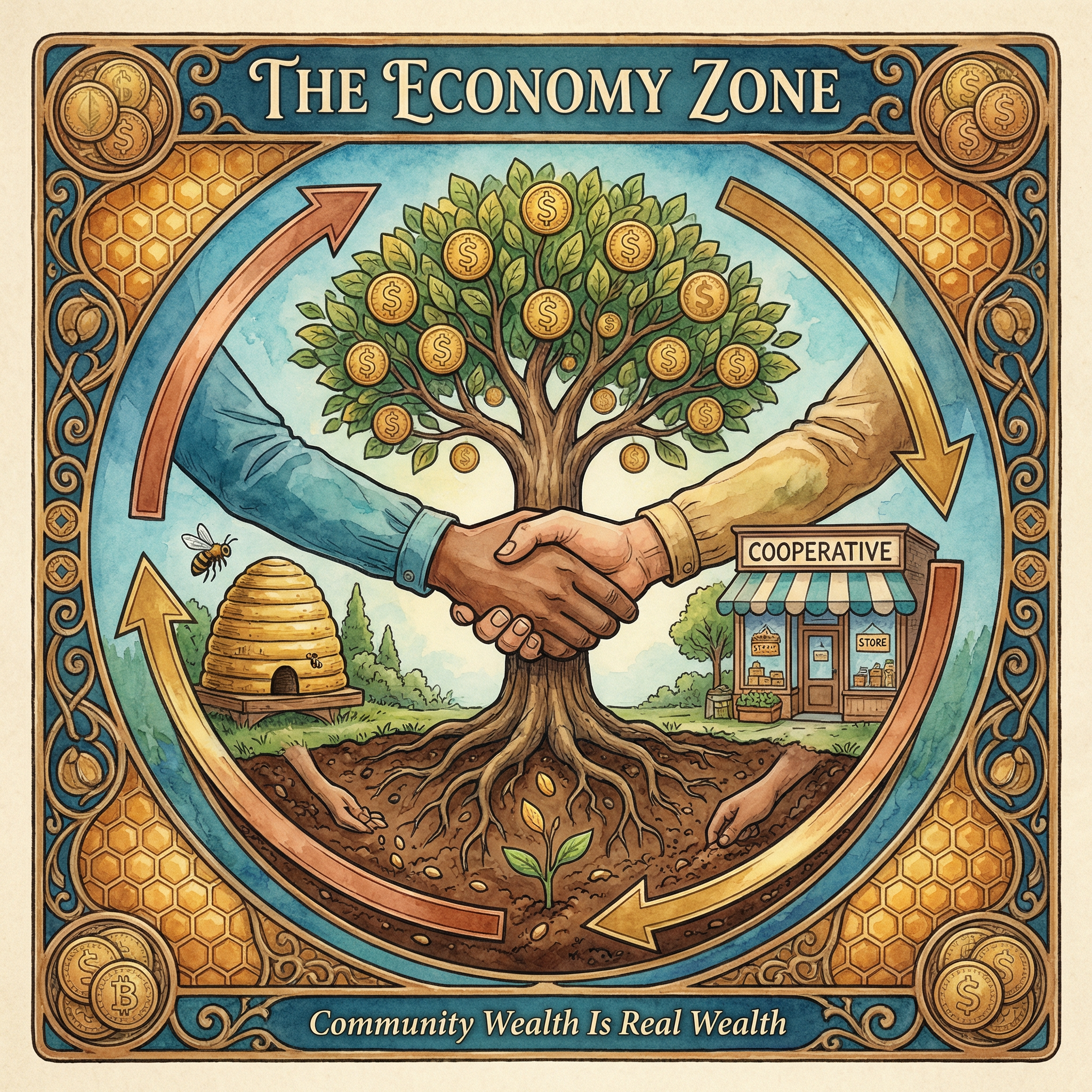
Emphasize the Economy Zone and CareCo mechanics. Use as onboarding for new cooperative members. Extends the Phase 2 discussion of cooperative vs. extraction economic models.
Community Healing Circles
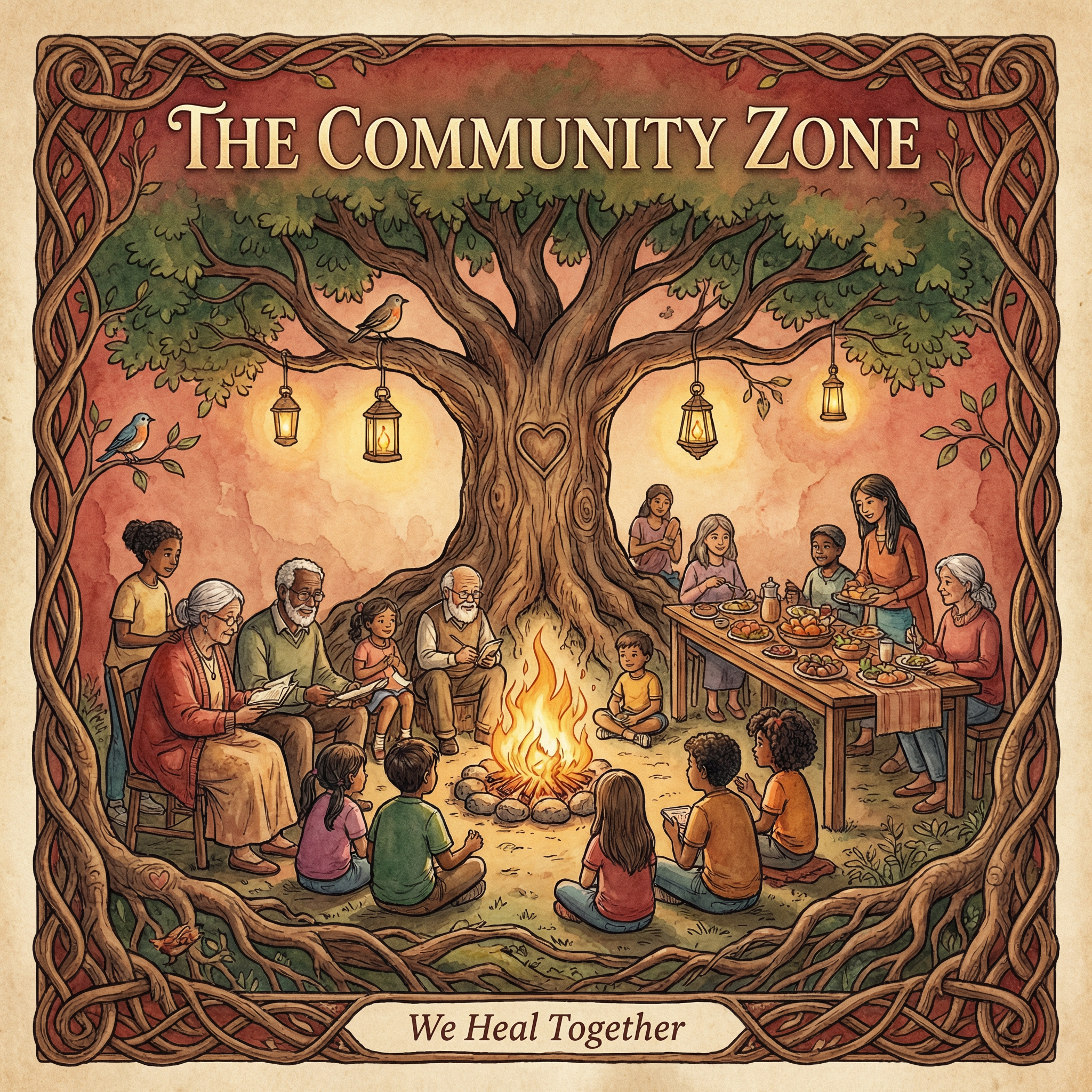
Lead with the Fear Card ceremony. Reduce theoretical content. Extend play time and the closing circle. Emphasize the Community Zone and collective action mechanics.
Youth Programs (Ages 14–18)
Replace FIDUROD with the simplified 'Seven Rules of the Old Game' framework. Use the Monopoly Autopsy as a group activity. Extend play time to 120 minutes.
Leadership Development
Add a Systems Mapping activity where participants map the Monopolist rules operating in their own organizations. Use the workshop as a diagnostic tool for organizational culture.
Each Zone Is a Workshop in Itself
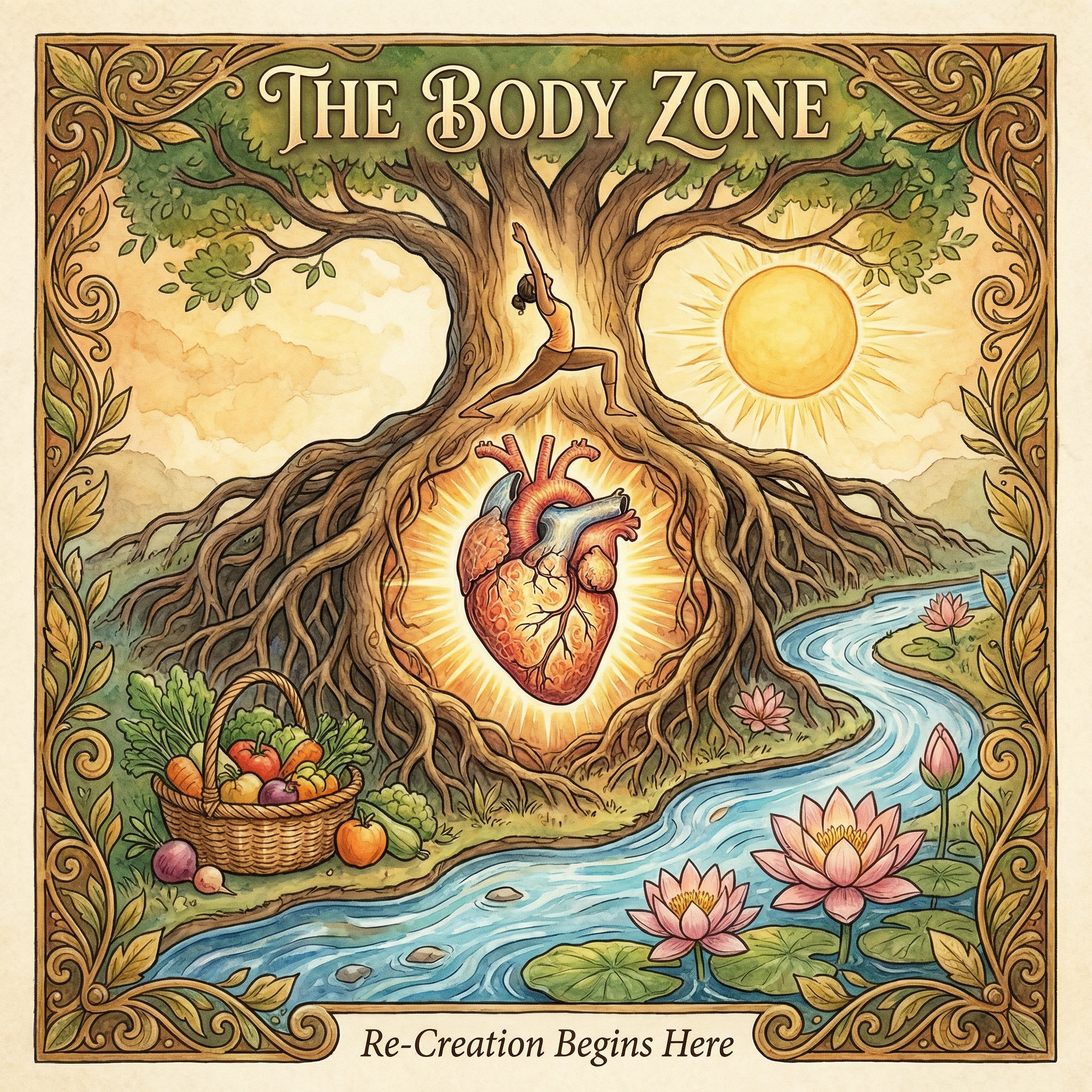
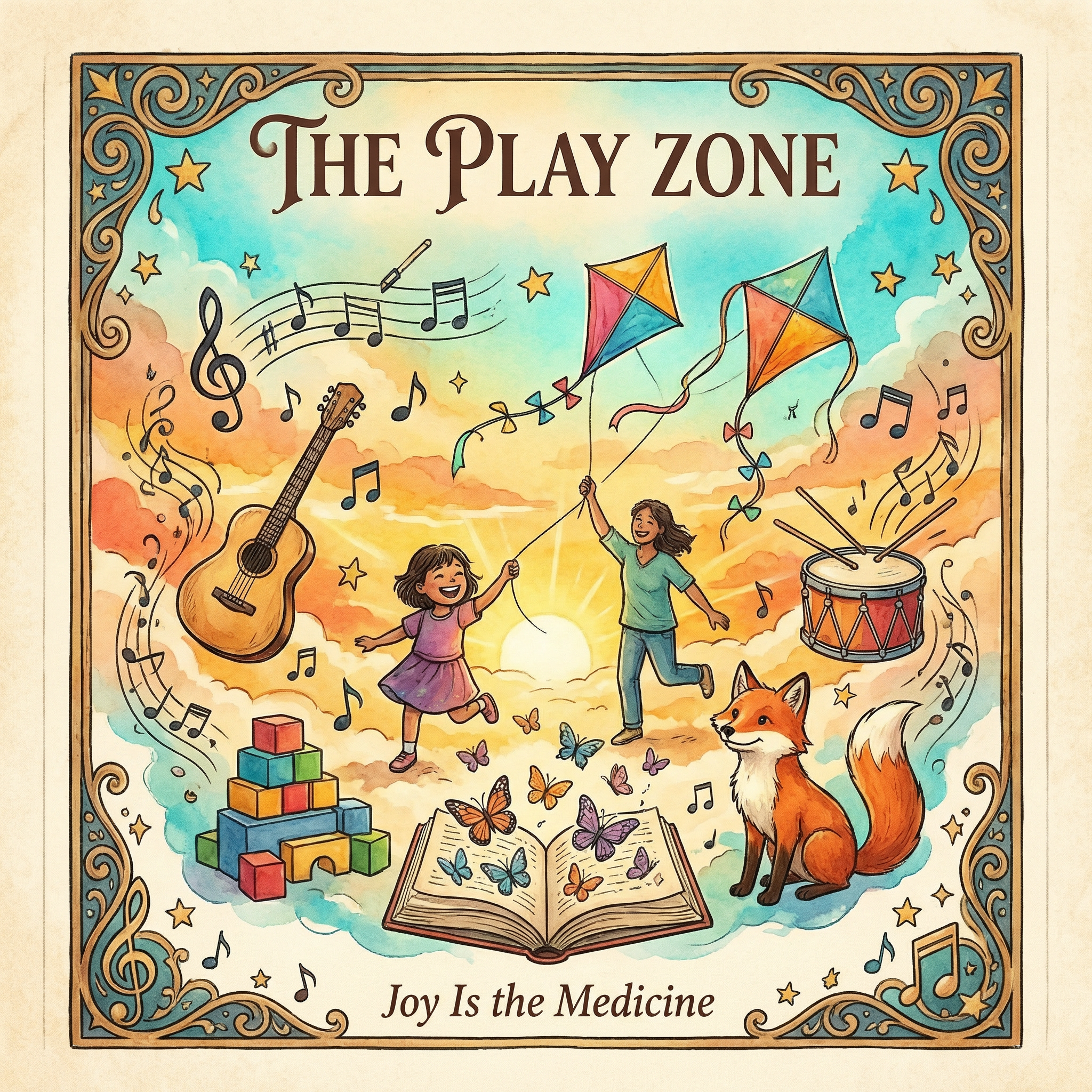
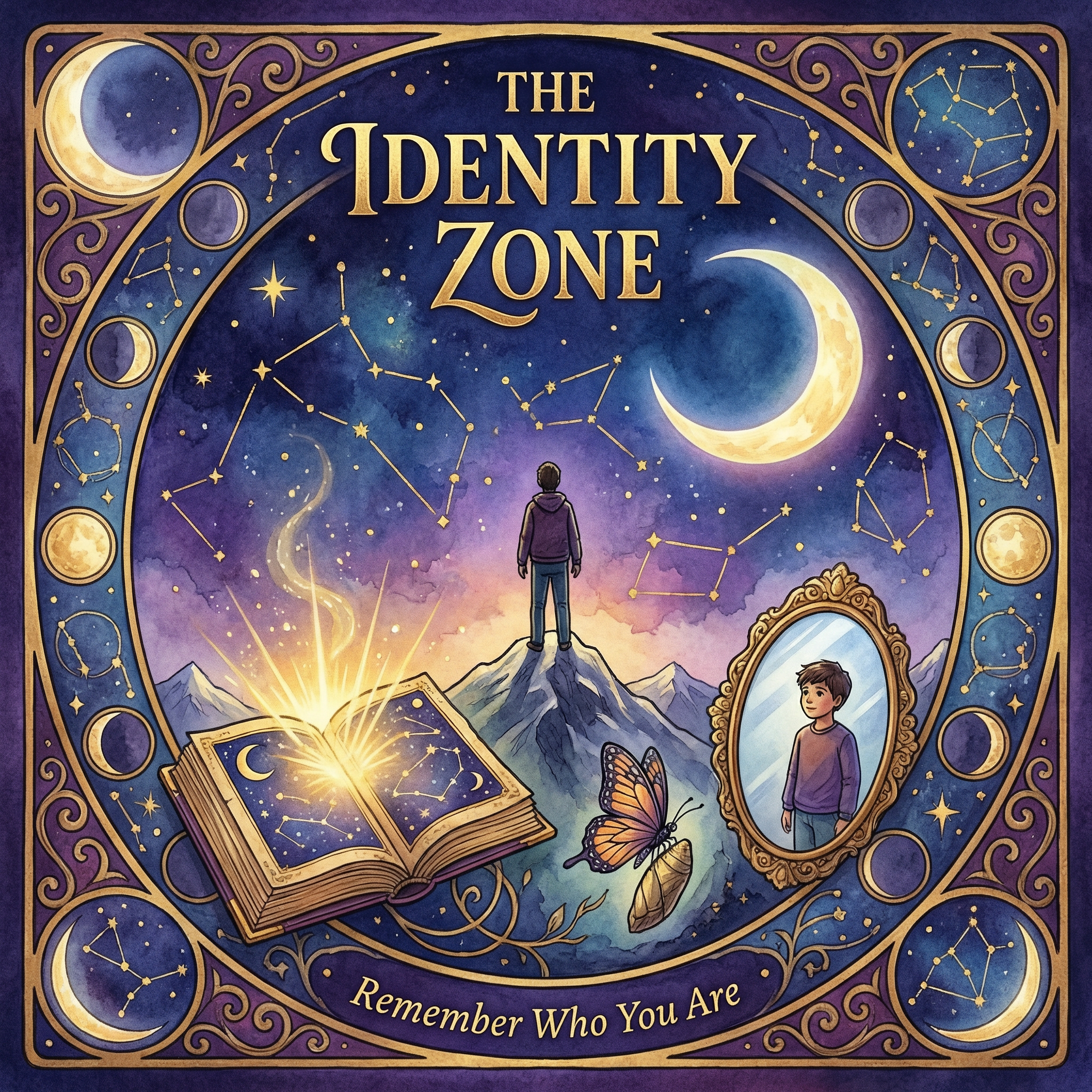
The workshop deepens the game. Each zone's card deck becomes a structured reflection on one dimension of the extraction economy — and one dimension of restoration.
Everything You Need to Facilitate
The complete curriculum is available to Founding Members. Download both documents, read the Facilitator Guide, and print one Participant Workbook per participant.