Evidence-Based Foundation
The Science of Community Care integrates eight interdisciplinary fields into a unified framework for understanding and optimizing human flourishing in community settings.
1. Cellular Biology
Mitochondrial function, ATP production, stress response pathways, and cellular regeneration protocols.
2. Neuroscience
Neuroplasticity, BDNF (brain-derived neurotrophic factor), social connection neurobiology, autonomy and dopamine.
3. Developmental Psychology
Adult development stages (Kegan, Maslow), divine gifts activation, Stages 1-7 progression.
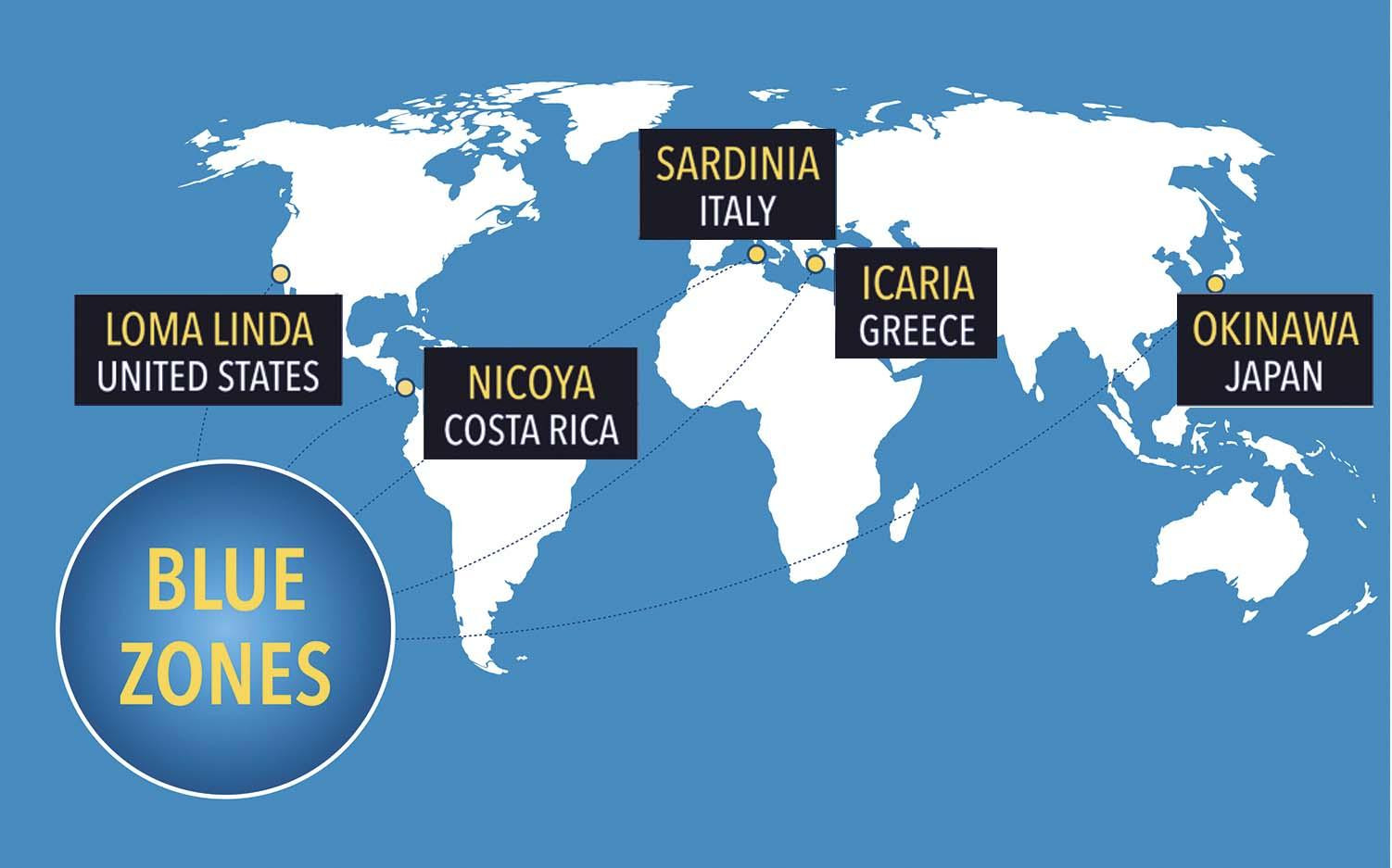
4. Blue Zone Research
Power 9 principles, 10x centenarian rates, multi-generational living, moai formation.
5. Cooperative Economics
Democratic ownership, shared prosperity, one member one vote, transparent governance.
6. Regenerative Agriculture
Food sovereignty, soil health, permaculture, biophilia hypothesis, chemical-free nutrition.
7. Indigenous Wisdom
Land stewardship principles, intergenerational knowledge transfer, regeneration over extraction.
8. Political Economy
Escape from extractive systems, collective liberation, teacher empowerment, systemic transformation.
Measurable Outcomes
Naples Ranch will track and publish comprehensive health, well-being, and community metrics to validate the regenerative model.
Cellular Health
- • +30 points Mitochondrial Function Score
- • +40% BDNF (brain growth factor)
- • -30% cortisol (stress hormone)
- • +35% ATP production (cellular energy)
Cognitive Function
- • +20% cognitive clarity
- • +25% creative output
- • -40% brain fog
- • Stages 5-7 capacity activation
Mental Health
- • -50% depression symptoms
- • -35% anxiety symptoms
- • +45% life satisfaction
- • +60% sense of purpose
Social Connection
- • 100% moai participation
- • -80% social isolation
- • +70% community trust
- • Daily intergenerational contact
Longevity Outcomes
Centenarian rate compared to U.S. average—matching Blue Zone outcomes through evidence-based community design.
Research Methodology
Naples Ranch will employ rigorous scientific methods to validate the regenerative model and contribute to the global body of evidence.
Longitudinal Studies
Track resident health outcomes over 10+ years, comparing to baseline and control groups.
Academic Partnerships
Collaborate with universities for peer-reviewed research and graduate student projects.
Open Data
Publish all anonymized data publicly to enable replication and accelerate the movement.
Data Collection
- • Quarterly health assessments: Blood work, vitals, cognitive tests, mental health surveys
- • Daily activity tracking: Movement, social interaction, sleep quality, nutrition
- • Community metrics: Moai participation, governance engagement, conflict resolution
- • Economic indicators: Cost of living, time use, financial security, work satisfaction
- • Qualitative interviews: Life satisfaction, purpose, relationships, personal growth
Research Documents
Access the complete research foundation for the Science of Community Care and Naples Ranch.
Divine Gifts and Higher Capacities
The advanced science of teacher transformation—57 pages, 57 peer-reviewed citations.
The Great Regeneration
Exodus from Educare to Educere—18,000 words, 27 citations on urban exodus and regenerative communities.
Science of Community Care: Founding Document
Establishing the new interdisciplinary field—25,000 words, 35 citations.
Naples Ranch Feasibility Study
Complete financial analysis proving viability—20,000 words, 6 citations.